
As an educational leader, I have sat through countless hours of well-intentioned professional development. The pattern is familiar. Teachers gather in a hall, listen to an engaging presentation about a new instructional strategy, and leave with a binder full of resources. Yet, when we walk through the corridors the following week, instructional practices remain largely unchanged. This happens because we frequently treat teacher development as an isolated event rather than a continuous, embedded process.
Teaching is a deeply complex, highly contextual act. A standalone workshop can raise awareness, but it cannot rewire established habits. To see genuine transformation in our schools, we must shift our focus from delivering presentations to building cycles of practice, observation, and reflective feedback that actually respect the realities of the classroom.
The Illusion of the Standalone Workshop
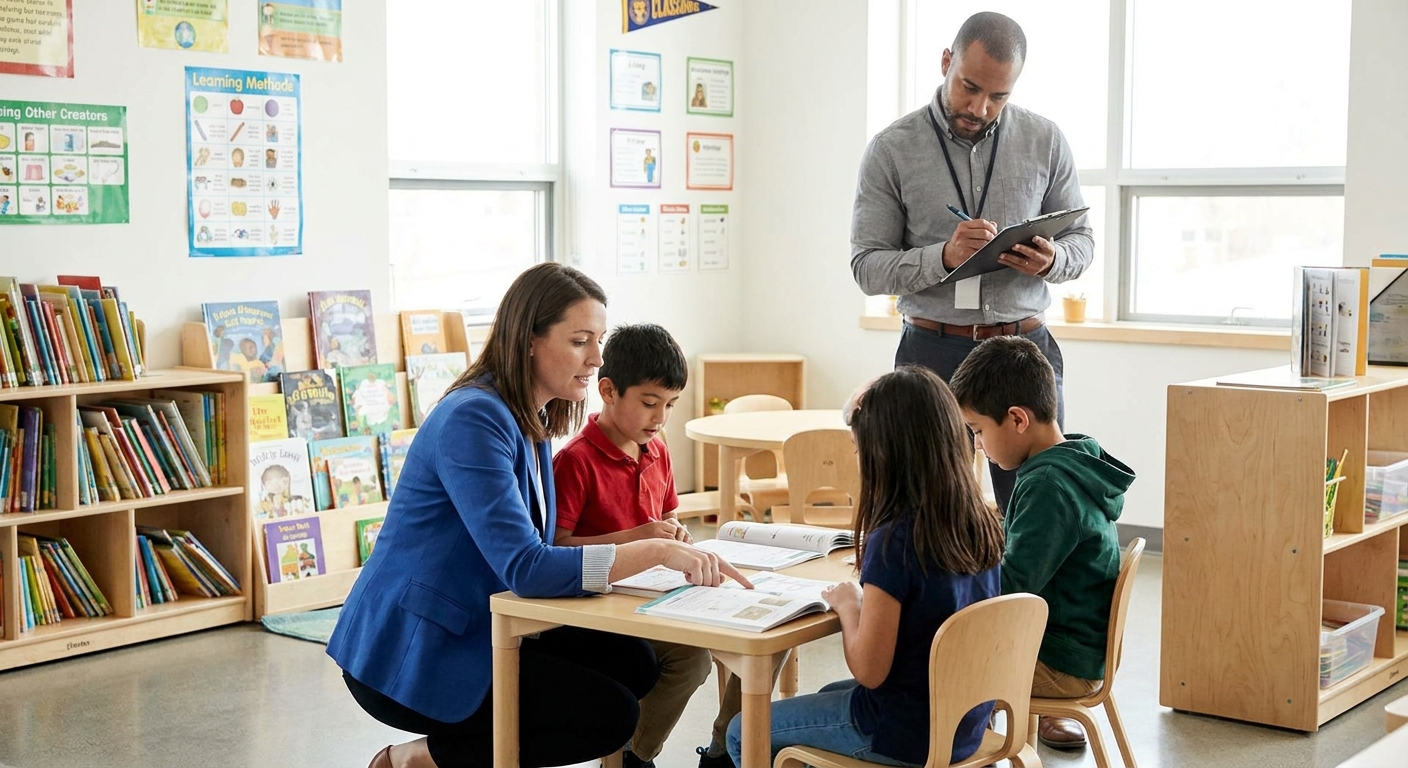
The fundamental flaw of the isolated workshop is its distance from the actual work of teaching. During a training session, new strategies appear seamless. A facilitator explains how to use inquiry-based learning, and it makes perfect logical sense in a quiet room. However, the classroom is an unpredictable environment. When a teacher attempts to implement that new strategy on a Tuesday morning, they face immediate challenges. Students might not respond as expected, pacing might falter, and the pressure to cover the mandated curriculum looms large.
Faced with these hurdles, teachers naturally retreat to their most practiced, comfortable methods. This is not a failure of the teacher. It is a predictable response to cognitive overload and a lack of situated support. Mastery of a new pedagogical skill requires seeing it modeled in a relevant context, attempting it in a safe environment, and receiving targeted feedback. When we rely solely on external experts visiting for an afternoon, we deny our educators the very learning conditions we expect them to provide for their students.
A Framework for Genuine Classroom Change
If we want to elevate instructional quality, teacher development must begin with clear evidence of what our students need. Instead of selecting a broad topic for an annual training day, leaders should examine student work, assessment data, and classroom observations to identify specific areas for growth. Once a focus area is chosen, the learning must become an ongoing cycle.
This cycle involves focused learning sessions followed by immediate classroom application. Teachers need opportunities to observe their peers, co-teach, and engage in reflective conversations. Consider how this continuous approach transforms key areas of teaching practice:
Targeted Questioning
Moving beyond simple recall requires deliberate practice. Teachers learn to draft open-ended questions, test them in actual lessons, and review student responses with a peer coach.
Responsive Differentiation
Rather than reading a manual on learning styles, educators analyze specific student work together to adjust their upcoming lesson plans collaboratively.
Formative Assessment
Designing effective checks for understanding takes time. Teachers build quick assessment routines and use the data to modify their pacing in real time.
Classroom Management
Managing behavior is about established routines. Support involves leaders observing transitions and providing immediate, constructive feedback to reclaim lost instructional minutes.
Meeting Teachers Where They Are
One of the most significant oversights in traditional professional development is the assumption that all educators require the same support. Just as effective teachers differentiate instruction for their students, school leaders must differentiate professional learning for their staff.
A teacher in their first year of practice faces entirely different challenges than a veteran with fifteen years of experience. Beginning teachers often need highly structured, tactical support. They benefit immensely from clear templates for lesson planning, step-by-step guidance on behavior management routines, and frequent observations that carry low stakes.
Conversely, experienced practitioners can feel stifled by basic compliance training. These educators thrive when given autonomy to pursue action research, lead collaborative planning teams, or mentor novice colleagues. By offering varied pathways for growth, we respect the professional expertise of our staff and ensure that learning feels relevant and purposeful to everyone in the building.
The Role of School Leadership in Protecting Growth

No model of continuous teacher development will succeed without the right school culture. Principals, Heads of School, and coordinators are the architects of this culture. Our primary responsibility is to create psychological safety. Teachers will not take risks, try new strategies, or invite peers into their classrooms if they fear that early mistakes will result in a negative evaluation. We must clearly separate developmental feedback from formal performance appraisals.
Furthermore, leaders must actively protect time for professional learning. Collaborative planning and peer observation are impossible if every spare block in the timetable is consumed by administrative duties or unstructured meetings. We must carve out sacred time for teachers to talk about teaching. When leaders prioritize this time, it sends a powerful message that improving instructional practice is the most important work happening in the building.
Building a Legacy of Continuous Improvement
Transforming classroom practice is a slow, deliberate journey. It requires moving away from the quick fix of an afternoon seminar and committing to the hard work of ongoing coaching and reflection. By anchoring our efforts in student needs, differentiating our support, and fostering a culture of trust, we can create environments where both teachers and students thrive. Related resources include the Teacher Development hub, Teacher Development Needs Diagnostic, Classroom Observation & Feedback Toolkit, and peer-observation guide.
Build professional learning that reaches the classroom.
If your school wants to move beyond isolated workshops and create a sustained cycle of practice, feedback and professional growth, begin with the specific needs of your teachers and students.
Pingback: Why Do Teachers Resist Classroom Observations?